Energy planning case studies
These are European commissions. We put them here because they show the method a US data center, campus, federal site or microgrid relies on: needing less from the grid by generating, storing and sharing power on site, with the cost and carbon case modeled before anyone commits capital. No US clients or figures are invented here.
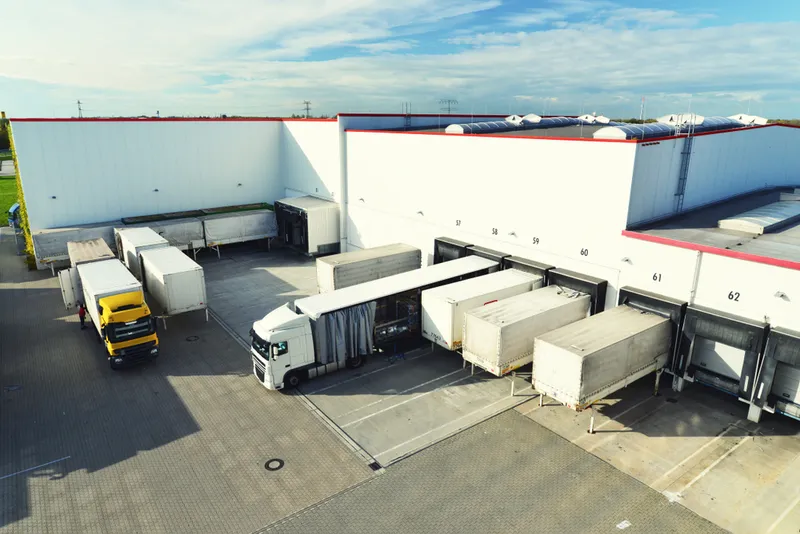 Hydrogen feasibility
 Green hydrogen production and sector coupling
A coupled industrial-and-residential green-hydrogen feasibility study: six Pareto-optimal variants in under 10 minutes.
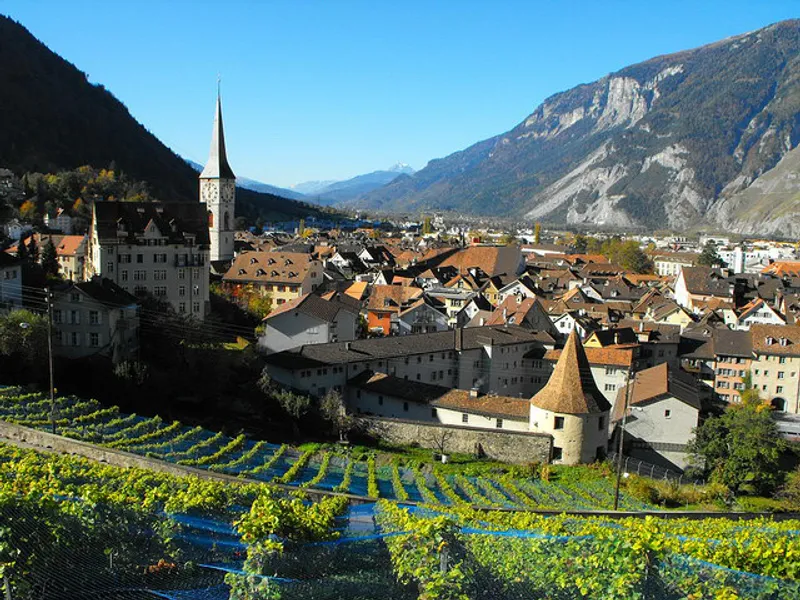 Utility strategy
 City-wide energy supply strategy toward 2050
Three city-wide scenarios confirmed a CO₂-free supply by 2035 is achievable at similar life-cycle costs to today's fossil-based system.
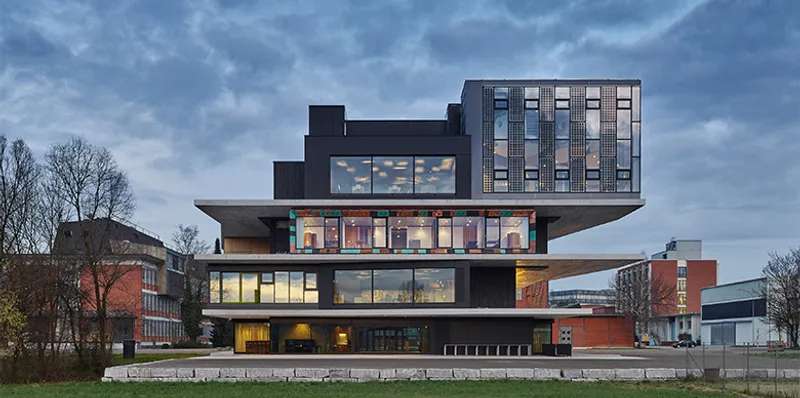 Campus decarbonisation
 Climate-neutral research campus by 2030
A 10% CO₂ reduction already achieved in the current state, with a further 25% modelled in the planned state toward 2030 climate neutrality.
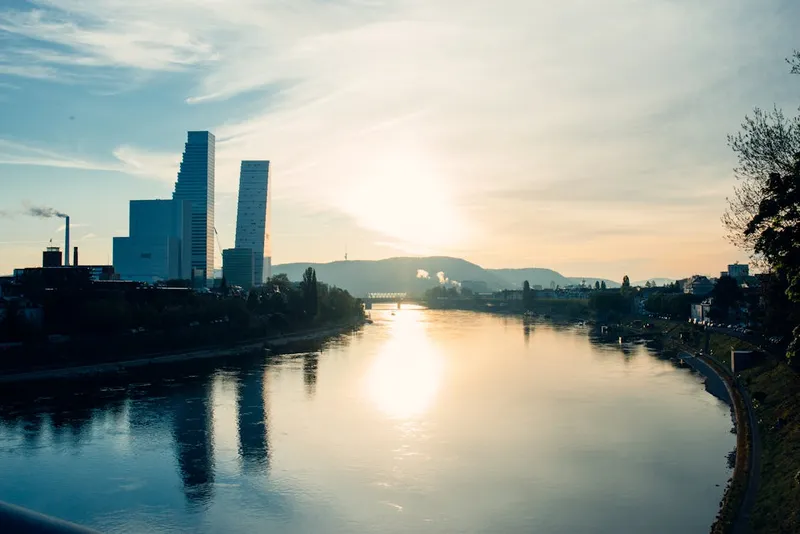 Solar development strategy
 Solar development strategy for the Port of Switzerland
Up to 20–25% cost reduction at the port, with regulatory change identified as the dominant risk and interlinking the buildings as the lowest-risk strategy.
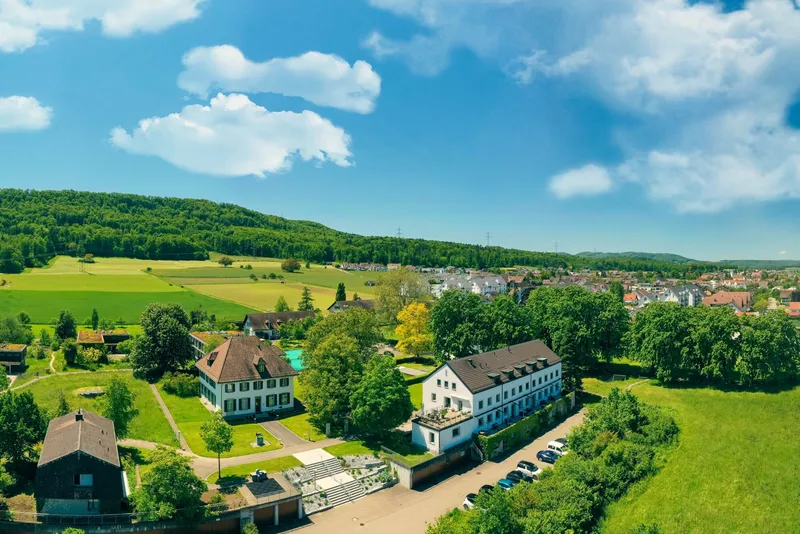 Self-sufficient campus
 A self-sufficient campus energy concept
100% renewable, self-sufficient design across nine facilities: Agri-PV with a biodigester, methane and hydrogen storage.
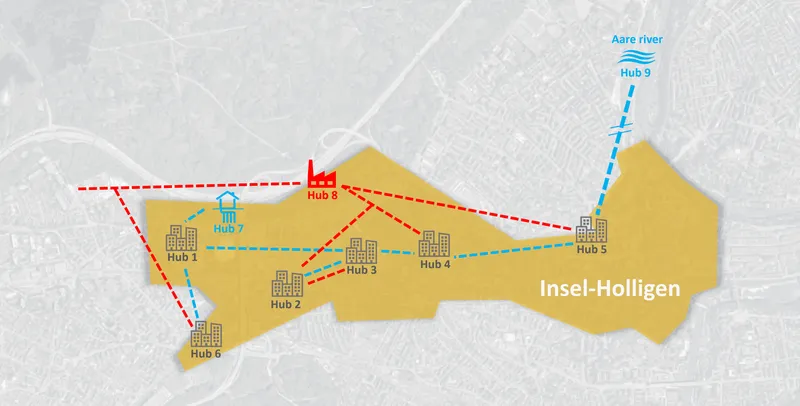 District concept
 Strategic energy concept for the Insel-Holligen district
A low-temperature thermal network supplied by river and groundwater, stress-tested against more than 30 future price and demand scenarios.
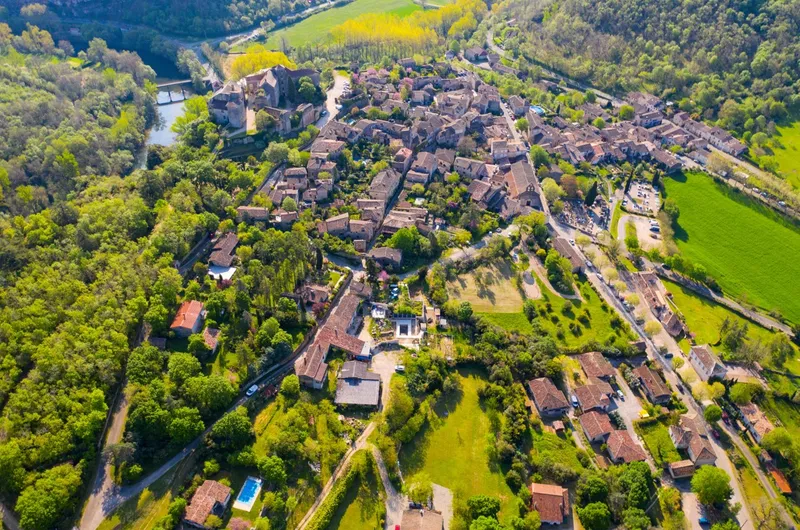 Residential quarter
 Residential energy concept for a new housing quarter
Air-source HPs, groundwater HPs and biomass compared on cost, CO₂ and autarky for a new 16-building Swiss residential quartier.
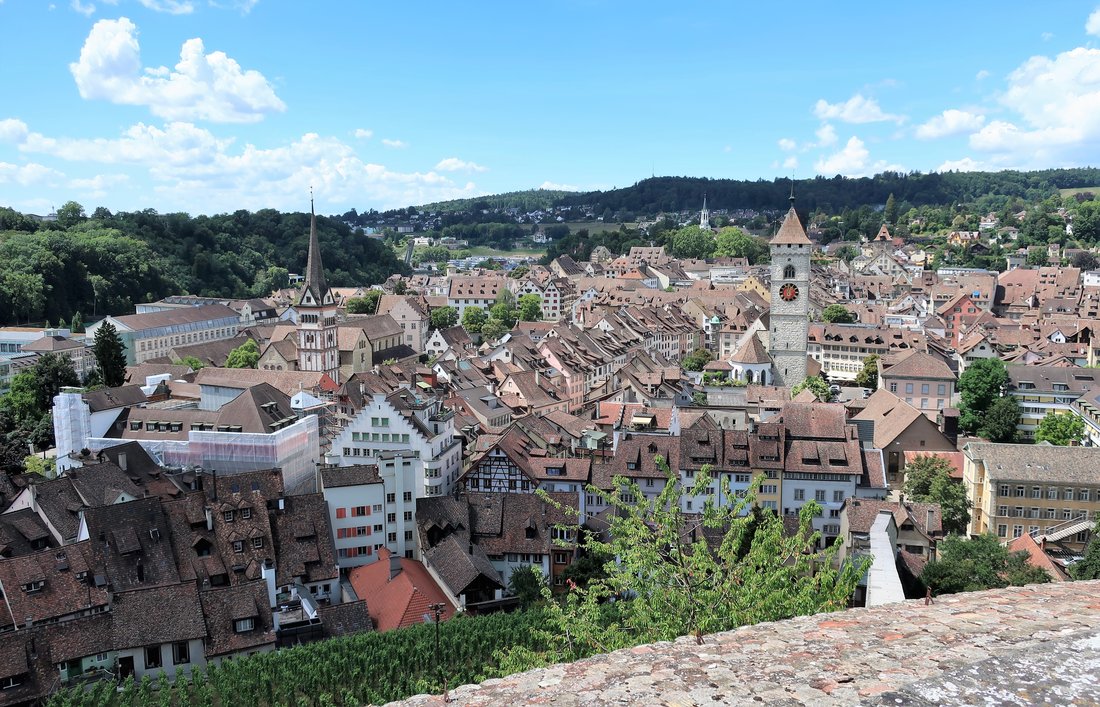 Multi-energy district concept
 A multi-energy district concept for Schaffhausen, built with Planeto
Three renewable sources, multiple heat injection points and a meshed thermal network, planned together for a Schaffhausen district — Sympheny's multi-energy optimisation paired with Planeto's TESSA network design.
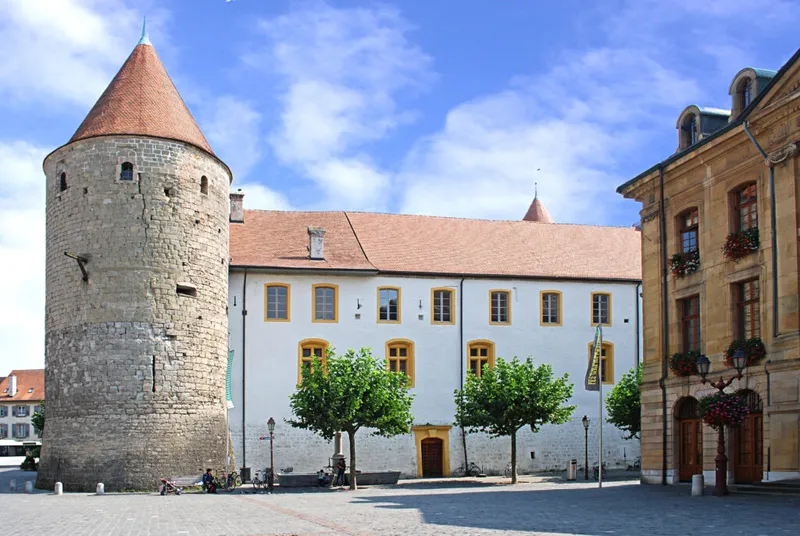 Eco-quartier planning
 Eco-quartier energy concepts and decarbonisation roadmap
An 83% CO₂ reduction by 2040 mapped across three fully costed pathways, from cost-optimal to climate-optimal, with a politically viable route in between.
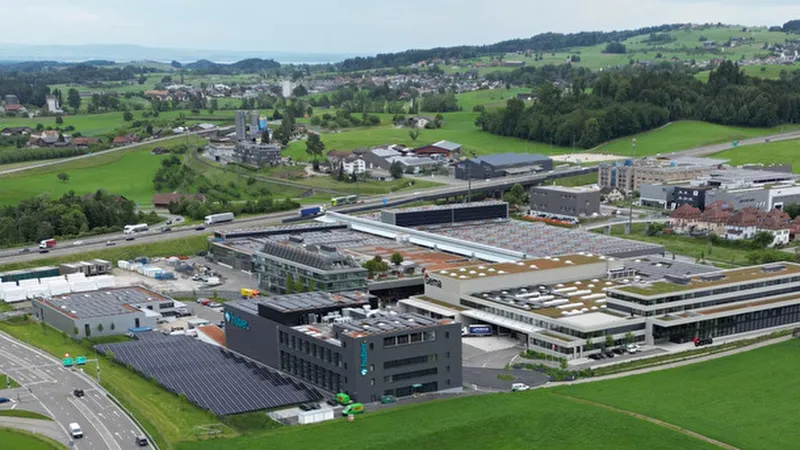 Commercial site net-zero design
 Net-zero commercial park: 75% CO₂ reduction
A net-zero commercial site at 20% lower lifecycle cost than the conventional reference design.
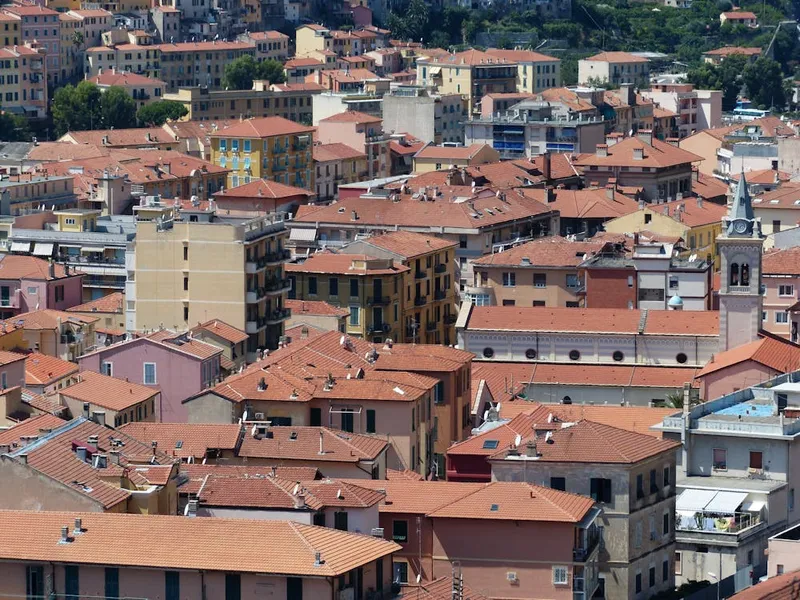 District heating expansion
 Optimal expansion strategy for a district heating network
Five candidate network segments, three plants, four scenarios, and three of four scenarios profitable with the 80% renewable threshold exceeded.